

Part of the ongoing Writing Art Writing Art Writing learning programme — a collaboration between WITTA and Spike Island — this workshop, led by Professor Sarah Hayden is for artists, writers and everyone who is (or intends to be) part one and a bit of the other. Together, we’ll take on description and / in its paradoxical relation to art writing.

An afternoon exploring the intersections between art and writing with keynote presentation from artist-writer Katrina Palmer, and an in-conversation with Huma Mulji and Emmanuelle Waeckerlé, Jo Lathwood and Marianne Mulvey, and Mary Hurrell, chaired by Lizzie Lloyd. It was followed by an evening salon of dinner accompanied by performances by Anna Barham, Lydia Davies and Sam Hasler.
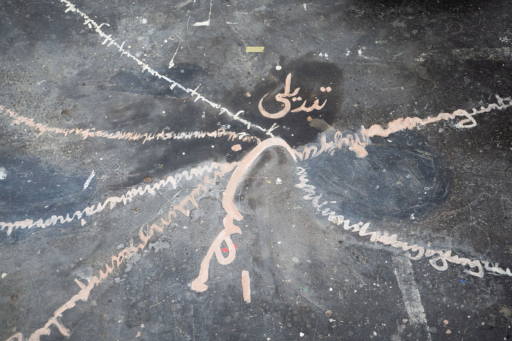
When Language Becomes Material explores the material possibilities, traces and manifestations of language in art. The exhibition includes work by Huma Mulji and Emmanuelle Waeckerlé, Young In Hong and Owen Lloyd, Jo Lathwood and Marianne Mulvey, Mary Hurrell, and Amak Mahmoodian.
Sign-up here to subscribe to our mailing list, to receive updates, forthcoming WITTA events, reading lists and new writing from our WITTA network.

WAWAW will involve an afternoon exploring the intersections between art and writing with keynote presentations from artist-writers Katrina Palmer and Roy Claire Potter, followed by an evening salon of dinner accompanied by performances by Anna Barham, Lydia Davies and Sam Hasler.

A new project supported by WITTA to explore experimental ways of making texts and images. The project is devised by Potato Press, formed of Lesley Guy, Kate Liston and Tom O’Sullivan and with contributions from Sarah Jackson and Leah Millar.

WITTAnights are a place for showing, reading, listening and trying things out.

Calling all artists who write, writers who art(!) and everything in between: tell us more about your work.

The WITTA podcast — hosted by Lizzie Lloyd and Kit Poulson — invites guests to reflect on why they do things with words, how they do things with words and what words allow them to do that other materials don’t.

Through various WITTA events, working with participants and collaborators within and beyond the university, questions have emerged.

This WITTAfilm was made from interviews and materials gathered at an informal week-long creative residency / experiment called WITTAverse.

In July 2023, WITTAverse happened. It was a week-long event which involved a range of artists, writers, composers, and students.

Members of the Ways of Writing in Art & Design (WoW) network, which is housed within the Visual Culture Research Group, have written and guest edited the first of two special issues of the Journal of Writing in Creative Practice.
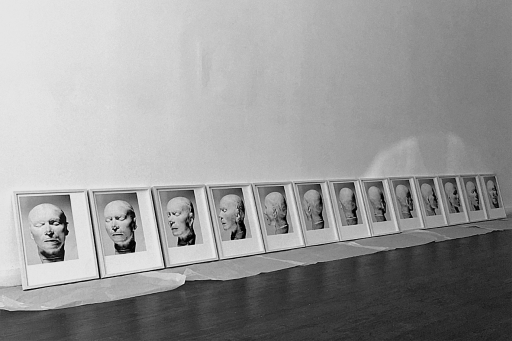
Invitation to work as part of a research group devised by artists Beverley Carruthers and Wiebke Leister, which investigates contemporary modes of collaborative image-text-production.

Freya Dooley and Cinzia Mutigli’s ongoing collaboration spans writing, performance, sound and moving image.
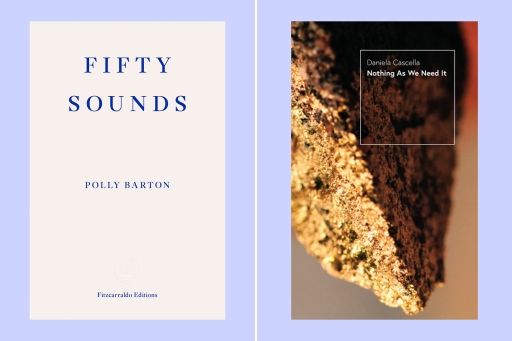
In this inaugural event we invite Polly Barton and Daniela Cascella to discuss translation, relationships between art, writing and sound, and what it means to write between disciplines.

This evening of conversation with artist Katy Beinart, writer Lizzie Lloyd and curator Marianne Mulvey will consider their shared interests in socially engaged or participatory art projects.

WITTA (Writing In / To / Through Art) is the start of what I hope to become a fully fledged research group at UWE Bristol.
Part of the ongoing Writing Art Writing Art Writing learning programme — a collaboration between WITTA and Spike Island — this workshop, led by Professor Sarah Hayden is for artists, writers and everyone who is (or intends to be) part one and a bit of the other. Together, we’ll take on description and / in its paradoxical relation to art writing.
An afternoon exploring the intersections between art and writing with keynote presentation from artist-writer Katrina Palmer, and an in-conversation with Huma Mulji and Emmanuelle Waeckerlé, Jo Lathwood and Marianne Mulvey, and Mary Hurrell, chaired by Lizzie Lloyd. It was followed by an evening salon of dinner accompanied by performances by Anna Barham, Lydia Davies and Sam Hasler.
When Language Becomes Material explores the material possibilities, traces and manifestations of language in art. The exhibition includes work by Huma Mulji and Emmanuelle Waeckerlé, Young In Hong and Owen Lloyd, Jo Lathwood and Marianne Mulvey, Mary Hurrell, and Amak Mahmoodian.
Sign-up here to subscribe to our mailing list, to receive updates, forthcoming WITTA events, reading lists and new writing from our WITTA network.
WAWAW will involve an afternoon exploring the intersections between art and writing with keynote presentations from artist-writers Katrina Palmer and Roy Claire Potter, followed by an evening salon of dinner accompanied by performances by Anna Barham, Lydia Davies and Sam Hasler.
A new project supported by WITTA to explore experimental ways of making texts and images. The project is devised by Potato Press, formed of Lesley Guy, Kate Liston and Tom O’Sullivan and with contributions from Sarah Jackson and Leah Millar.
WITTAnights are a place for showing, reading, listening and trying things out.
Calling all artists who write, writers who art(!) and everything in between: tell us more about your work.
The WITTA podcast — hosted by Lizzie Lloyd and Kit Poulson — invites guests to reflect on why they do things with words, how they do things with words and what words allow them to do that other materials don’t.
Through various WITTA events, working with participants and collaborators within and beyond the university, questions have emerged.
This WITTAfilm was made from interviews and materials gathered at an informal week-long creative residency / experiment called WITTAverse.
In July 2023, WITTAverse happened. It was a week-long event which involved a range of artists, writers, composers, and students.
Members of the Ways of Writing in Art & Design (WoW) network, which is housed within the Visual Culture Research Group, have written and guest edited the first of two special issues of the Journal of Writing in Creative Practice.
Invitation to work as part of a research group devised by artists Beverley Carruthers and Wiebke Leister, which investigates contemporary modes of collaborative image-text-production.
Freya Dooley and Cinzia Mutigli’s ongoing collaboration spans writing, performance, sound and moving image.
In this inaugural event we invite Polly Barton and Daniela Cascella to discuss translation, relationships between art, writing and sound, and what it means to write between disciplines.
This evening of conversation with artist Katy Beinart, writer Lizzie Lloyd and curator Marianne Mulvey will consider their shared interests in socially engaged or participatory art projects.
WITTA (Writing In / To / Through Art) is the start of what I hope to become a fully fledged research group at UWE Bristol.